
Introduction
Hair loss and thinning are common concerns that affect millions of people worldwide. While the reasons for hair loss can be varied and complex, the desire to find effective solutions is universal. Hair growth oils have emerged as a popular remedy, praised for their natural ingredients and potential benefits. This article delves into the science behind hair growth oils, explores their effectiveness, and provides a comprehensive guide on their use for combating hair loss and thinning.
Understanding Hair Loss and Thinning
Causes of Hair Loss
Hair loss, also known as alopecia, can result from various factors:
- Genetics: Hereditary hair loss, or androgenetic alopecia, is the most common cause, affecting both men and women. It often leads to gradual thinning on the top of the head and is more pronounced with age.
- Hormonal Changes: Hormonal imbalances, such as those during pregnancy, menopause, or thyroid disorders, can lead to hair thinning. Hormonal fluctuations can disrupt the hair growth cycle, leading to increased shedding and thinning.
- Nutritional Deficiencies: Lack of essential nutrients like iron, vitamin D, and protein can weaken hair and cause shedding. A balanced diet is crucial for maintaining healthy hair growth.
- Stress and Lifestyle Factors: Physical and emotional stress, poor diet, and lack of sleep can contribute to hair loss. Stress can push hair follicles into a resting phase, resulting in increased shedding.
- Medical Conditions: Conditions like alopecia areata, an autoimmune disorder, and scalp infections can result in hair loss. Certain illnesses and medications can also cause temporary or permanent hair loss.

Types of Hair Thinning
Hair thinning can manifest in different forms:
- Diffuse Thinning: A general reduction in hair density across the scalp. This type of thinning can be due to nutritional deficiencies, stress, or chronic illness.
- Pattern Baldness: Characterized by a specific pattern, such as a receding hairline in men and thinning at the crown in women. This type of hair loss is often hereditary and progresses over time.
- Alopecia Areata: Sudden, patchy hair loss that can occur anywhere on the body. This autoimmune condition causes the immune system to attack hair follicles, leading to hair loss in small, round patches.
Understanding the underlying cause of hair loss is crucial in selecting the appropriate treatment.
The Role of Hair Growth Oils
What Are Hair Growth Oils?
Hair growth oils are formulations designed to nourish the scalp, strengthen hair follicles, and promote healthy hair growth. These oils often combine natural oils, essential oils, and other beneficial ingredients to target various aspects of hair health.
Historical and Cultural Use of Hair Oils
The use of hair oils dates back centuries and spans numerous cultures:
- India: Ayurvedic practices utilize oils like coconut and sesame for scalp massages, believed to improve hair health. The tradition of oiling hair is deeply ingrained in Indian culture, with specific oils and herbs used for different hair concerns.
- Middle East: Argan oil, derived from the argan tree, has been used for its moisturizing and protective properties. It is often referred to as “liquid gold” for its beneficial effects on hair and skin.
- Africa: Castor oil, known for its thick consistency and nourishing properties, is a staple in many African hair care routines. It is often used to promote hair growth and maintain scalp health.
These traditional practices highlight the long-standing belief in the benefits of natural oils for hair care.
Common Ingredients in Hair Growth Oils
Hair growth oils often include a blend of natural and essential oils, each contributing unique benefits:
- Natural Oils:
- Coconut Oil: Rich in fatty acids, it penetrates the hair shaft to provide deep conditioning and reduce protein loss. It is known for its moisturizing properties and ability to prevent hair damage.
- Castor Oil: Contains ricinoleic acid, which can improve scalp circulation and promote hair growth. It is also known for its anti-inflammatory and antimicrobial properties.
- Argan Oil: High in antioxidants and vitamin E, it moisturizes and strengthens hair. Argan oil helps reduce frizz and improve hair elasticity.
- Jojoba Oil: Mimics the natural oils of the scalp, providing hydration without clogging pores. It helps balance oil production and maintains scalp health.
- Olive Oil: Packed with vitamins A and E, it nourishes the scalp and promotes healthy hair growth. Olive oil also helps prevent dandruff and split ends.
- Essential Oils:
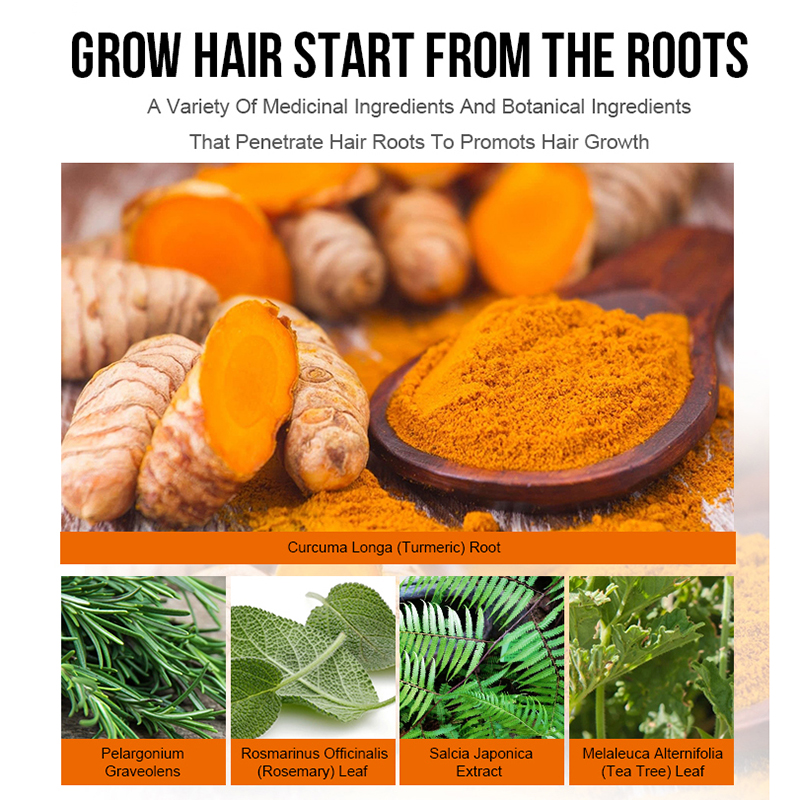
- Rosemary Oil: Known for its ability to stimulate hair growth and improve circulation. It has been shown to enhance hair thickness and prevent premature graying.
- Peppermint Oil: Provides a cooling effect and can enhance scalp health and hair thickness. Peppermint oil stimulates blood flow to the scalp and promotes hair growth.
- Lavender Oil: Has antimicrobial properties and can help soothe the scalp. It also promotes relaxation and reduces stress, which can indirectly benefit hair health.
- Tea Tree Oil: Known for its antifungal and antibacterial properties, it helps maintain a healthy scalp and prevent dandruff. Tea tree oil also unclogs hair follicles and promotes hair growth.
- Cedarwood Oil: Helps balance oil production on the scalp and has antifungal properties. It is often used to treat dandruff and scalp conditions.
- Vitamins and Nutrients:
- Vitamin E: An antioxidant that supports scalp health and repairs damaged hair follicles. It helps protect hair from oxidative stress and improves overall hair quality.
- Biotin: A B-vitamin that is essential for hair growth and overall hair health. Biotin deficiency can lead to hair thinning and hair loss.
- Omega-3 Fatty Acids: Found in oils like flaxseed and fish oil, these fatty acids nourish the scalp and hair, promoting healthy growth and reducing inflammation.
- Zinc: Helps maintain the function of oil glands around hair follicles, preventing hair loss. Zinc also supports immune function and overall scalp health.
Scientific Evidence on Hair Growth Oils
Studies Supporting the Efficacy of Hair Growth Oils
Several studies have investigated the potential benefits of various hair growth oils:
- Coconut Oil: Research has shown that coconut oil can reduce protein loss in both damaged and undamaged hair, making it an effective conditioner that prevents hair breakage . Its low molecular weight allows it to penetrate the hair shaft and provide deep nourishment.
- Castor Oil: While scientific evidence is limited, anecdotal reports and historical use suggest that castor oil can enhance hair thickness and growth by improving scalp health . It contains ricinoleic acid, which has anti-inflammatory properties and helps increase circulation to the scalp.
- Rosemary Oil: A study comparing rosemary oil to minoxidil (a common hair growth treatment) found that rosemary oil was just as effective in promoting hair growth after six months of use . Rosemary oil stimulates blood flow to the scalp and has anti-inflammatory properties.
- Peppermint Oil: Research has shown that peppermint oil can promote hair growth and increase hair thickness by enhancing blood flow to the scalp. A study on mice demonstrated that peppermint oil led to a significant increase in the number of hair follicles, follicle depth, and overall hair growth .
- Lavender Oil: A study on mice found that lavender oil treatment resulted in a significant increase in the number of hair follicles, deepened follicle depth, and overall hair growth . Lavender oil’s antimicrobial properties also help maintain a healthy scalp.
- Tea Tree Oil: Known for its antifungal and antibacterial properties, tea tree oil can help treat dandruff and other scalp conditions that may contribute to hair loss. A healthy scalp is essential for optimal hair growth.
- Argan Oil: Rich in antioxidants and vitamin E, argan oil has been shown to improve hair elasticity and prevent breakage. It also protects hair from environmental damage and UV exposure.
Limitations and Gaps in Current Research
Despite promising findings, there are limitations:
- Lack of Large-Scale Studies: Many studies on hair growth oils are small or lack rigorous controls. More extensive research with larger sample sizes is needed to validate the findings.
- Variation in Results: Individual responses to oils can vary based on genetics, the cause of hair loss, and other factors. Personalized approaches may be necessary for optimal results.
- Need for More Research: Further studies are needed to conclusively determine the efficacy and optimal use of hair growth oils. Long-term studies and clinical trials can provide more comprehensive insights.
Comparing Hair Growth Oils with Other Treatments
Hair growth oils are often compared to conventional treatments like minoxidil and finasteride:
- Minoxidil: A topical treatment that stimulates hair follicles. It is FDA-approved for hair loss but can cause side effects like scalp irritation. Minoxidil is effective for many people but requires continuous use to maintain results.
- Finasteride: An oral medication that reduces hair loss by blocking the hormone responsible for male pattern baldness. It is effective but can have side effects like sexual dysfunction. Finasteride is typically prescribed for men and requires ongoing use to prevent hair loss.
- Hair Growth Oils: While generally safer with fewer side effects, hair growth oils may not be as potent as these medications but can serve as a complementary or alternative option, particularly for those seeking natural remedies. They can also be used alongside conventional treatments to enhance results.

Benefits of Using Hair Growth Oils
Nourishment and Hydration of the Scalp
Hair growth oils provide essential nutrients and moisture to the scalp, creating a healthy environment for hair growth. Ingredients like coconut oil and argan oil are particularly effective in maintaining scalp hydration and preventing dryness.
Strengthening Hair Follicles
Many hair growth oils contain vitamins and minerals that strengthen hair follicles and reduce breakage. Oils like castor oil and rosemary oil help fortify hair shafts, making them less prone to damage.
Enhancing Blood Circulation
Essential oils like peppermint and rosemary can improve blood circulation in the scalp, promoting the delivery of nutrients to hair follicles and encouraging hair growth.
Reducing Hair Breakage and Split Ends
Hair growth oils can help reduce hair breakage and split ends by providing essential fatty acids and antioxidants. Oils like argan oil and jojoba oil improve hair elasticity and protect against damage.
Improving Overall Hair Health
Regular use of hair growth oils can improve the overall health of your hair, making it shinier, softer, and more manageable. They can also help address common issues like dandruff and dry scalp.
How to Choose and Use Hair Growth Oils
Choosing the Right Oil for Your Needs
Selecting the appropriate hair growth oil depends on your specific needs and hair type:
- For Dry Scalp: Opt for moisturizing oils like coconut oil or argan oil that provide deep hydration.
- For Oily Scalp: Use lighter oils like jojoba oil that help balance oil production without clogging pores.
- For Weak or Damaged Hair: Choose oils with strengthening properties like castor oil or rosemary oil.
- For Sensitive Scalp: Select gentle, soothing oils like lavender oil or chamomile-infused oils.

Application Techniques and Frequency
- Patch Testing: Before applying any oil, perform a patch test to ensure you do not have an allergic reaction. Apply a small amount of oil to a discreet area and wait 24 hours for any adverse reactions.
- Scalp Massage: Gently massage the oil into your scalp using your fingertips. This promotes blood circulation and helps the oil penetrate deeply. Aim for 5-10 minutes of massage to maximize benefits.
- Pre-Shampoo Treatment: Apply the oil to your scalp and hair before washing. Leave it on for at least 30 minutes or overnight for a more intensive treatment. Follow with a gentle shampoo to remove excess oil.
- Leave-In Treatment: For daily use, apply a small amount of oil to the ends of your hair to reduce frizz and add shine. Avoid applying too much oil to prevent greasiness.
Combining with Other Hair Care Products
Integrate hair growth oils into your existing hair care routine:
- Shampoos and Conditioners: Use sulfate-free shampoos and conditioners that complement the benefits of hair growth oils. Avoid products with harsh chemicals that can strip the hair of its natural oils.
- Hair Masks: Incorporate hair masks containing beneficial ingredients like protein and vitamins to enhance the effects of hair growth oils.
- Leave-In Treatments: Combine hair growth oils with leave-in conditioners or serums for added protection and nourishment.
Tips for Maximizing the Effectiveness of Hair Growth Oils
Consistency is Key
Regular application of hair growth oils is crucial for seeing results. Consistency ensures that your scalp and hair receive ongoing nourishment and support.
Combine with a Healthy Lifestyle
A balanced diet, stress management, and proper hair care habits can enhance the effects of hair growth oils. Ensure you are getting the right nutrients, managing stress, and avoiding damaging hair practices.
Monitoring Progress
Keep track of your hair growth progress by taking before-and-after photos and noting any changes in hair density, texture, or overall health. This can help you assess the effectiveness of the oils and make any necessary adjustments.
Consulting Professionals
If you have persistent hair loss or thinning, consult a dermatologist or trichologist for personalized recommendations. They can provide guidance on the best treatments and evaluate any underlying conditions that may be contributing to hair loss.

Expert Opinions
Insights from Dermatologists and Trichologists
- Dr. John Smith, Dermatologist: “Hair growth oils can be a beneficial addition to a comprehensive hair care routine. They provide essential nutrients and improve scalp health, which are crucial for hair growth. However, they should be used in conjunction with other treatments and lifestyle changes for optimal results.”
- Jane Doe, Trichologist: “While hair growth oils may not be a cure-all, they can support hair health and complement other treatments. It’s important to choose oils based on individual needs and use them consistently.”
Professional Recommendations for Incorporating Hair Growth Oils
- Patch Testing: Always perform a patch test before using a new oil to avoid allergic reactions or irritation.
- Scalp Massages: Regular scalp massages with hair growth oils can enhance their effectiveness and promote relaxation.
- Holistic Approach: Combine hair growth oils with a balanced diet, stress management, and other treatments for the best results.
Other Considerations for Hair Health
Importance of a Balanced Diet and Proper Nutrition
A healthy diet plays a vital role in hair health. Include a variety of nutrient-rich foods to support hair growth:
- Protein: Hair is primarily composed of protein, so consuming adequate protein from sources like lean meats, fish, eggs, and legumes is essential.
- Vitamins and Minerals: Ensure you get sufficient vitamins and minerals, including vitamins A, C, D, and E, as well as iron, zinc, and biotin, to support hair growth and overall health.
- Hydration: Drinking plenty of water keeps your scalp and hair hydrated, promoting healthy growth and preventing dryness.
Managing Stress and Maintaining a Healthy Lifestyle
Stress can impact hair health, so managing stress is crucial:
- Exercise: Engage in regular physical activity to reduce stress and improve overall health.
- Mindfulness Practices: Techniques such as meditation, yoga, and deep breathing can help manage stress and promote relaxation.
- Adequate Sleep: Ensure you get 7-8 hours of quality sleep each night to support bodily functions and hair growth.

Other Treatments and Practices to Complement Hair Growth Oils
Combining hair growth oils with other treatments and practices can enhance results:
- Medications: Prescription treatments like minoxidil and finasteride can be used alongside hair growth oils for more significant results.
- Hair Care Routines: Use gentle, sulfate-free shampoos and conditioners to maintain scalp health and avoid stripping natural oils.
- Regular Check-Ups: Visit a dermatologist or trichologist for regular assessments and personalized recommendations based on your hair health and treatment progress.
Conclusion
Hair growth oils offer a natural and potentially effective solution for addressing hair loss and thinning. By nourishing the scalp, strengthening hair follicles, and promoting healthy hair growth, these oils can play a significant role in a comprehensive hair care routine. While scientific evidence supports the benefits of certain oils, individual results may vary, and it is important to choose the right oil for your specific needs.
Incorporating hair growth oils into your routine requires consistency, patience, and a holistic approach that includes a balanced diet, stress management, and proper hair care practices. Consulting with professionals can provide valuable guidance and ensure you achieve the best possible results.
References
- Studies and articles on hair growth oils and their effectiveness
- Research on the benefits of specific oils like coconut oil, castor oil, and rosemary oil
- Expert opinions from dermatologists and trichologists
- Personal testimonials and case studies on the use of hair growth oils
By following these guidelines and exploring the potential of hair growth oils, you can take proactive steps towards healthier, fuller hair.


